From black tie to casual: How to decode dress codes

Key Points
- Dress codes help set the tone of an event.
- If you’re unsure about the dress code, ask the host.
- ‘Black tie’ is the most formal dress code we’re likely to see in Australia.
- The key to ‘casual’ dressing is contrast, where denim is acceptable.
Why do we have dress codes?
“I would definitely double-check the dress code.”
I have learnt it the hard way. I think coming from an Indian background, historically we’ve grown up going to weddings overdressed, but it’s because everyone’s overdressed. We don’t feel overdressed. I think inherently in Australia, everyone’s underdressed.
Kudrat Makkar
“Darker colours for more formal events, lighter colours for less formal,” he says. “For women, something longer if it’s more formal, so below the knee. Usually those are good rules.”
What are the common dress codes?
Here we list the popular dress codes from most to least formal.
Also known as ‘black tie optional’, a ‘formal’ dress code is popular for weddings, formal dinners and corporate events. Source: Getty / Kamal Iklil/Getty Images
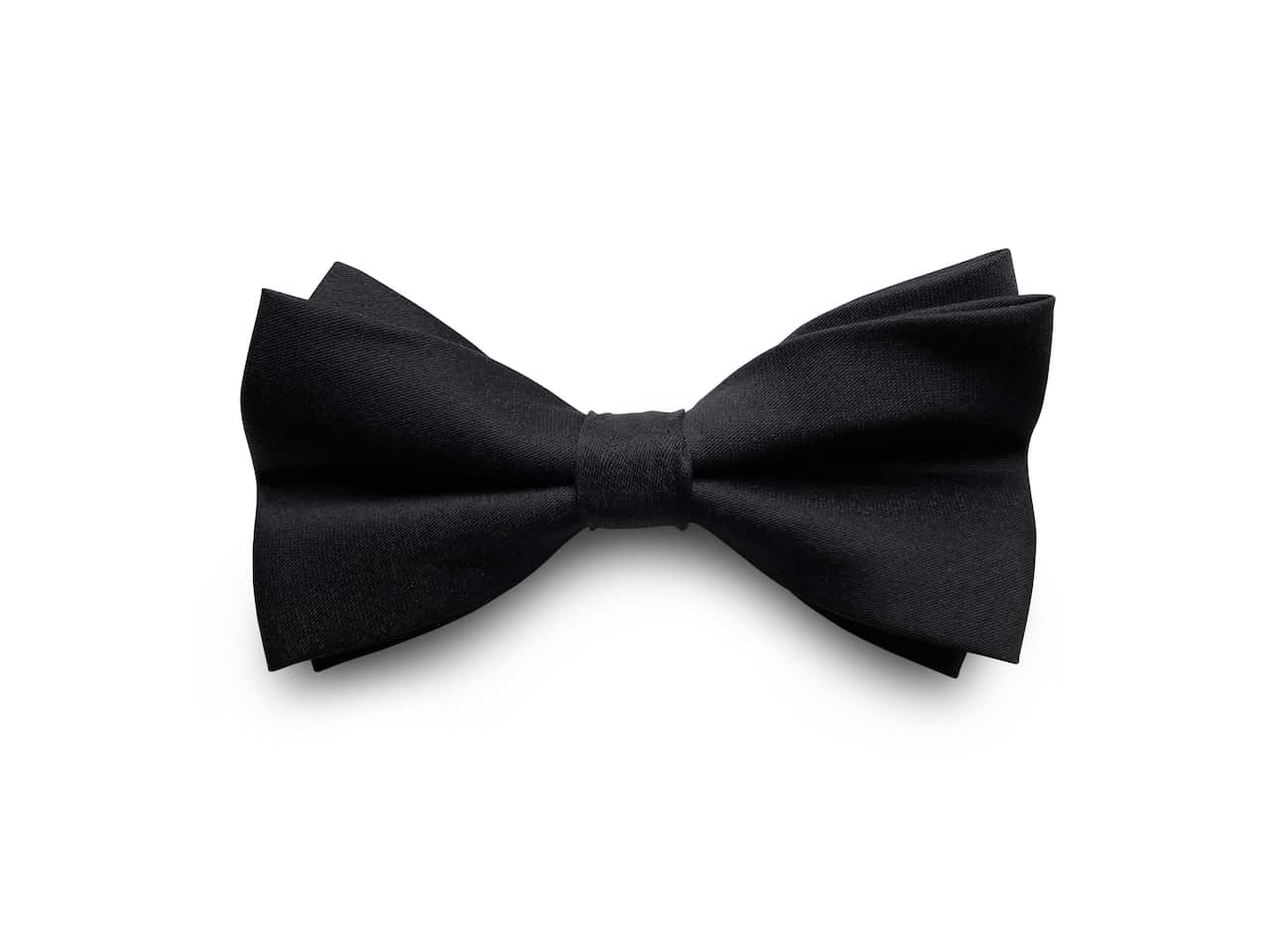
Black tie
“Those are events where men would be expected to wear a black tuxedo, a white shirt, a bow tie and dress shoes. Women would be expected to wear a floor-length gown, and often those gowns are quite heavy fabrics. And a lot of women would wear heels to that event.”
Formal
“Although increasingly in Australia, a lot of men don’t wear ties, which can also be confusing, but they may add a pocket square,” Ms Stockman says. “And for women it usually would be a longer dress or sometimes a pantsuit made from a really beautiful fabric.”
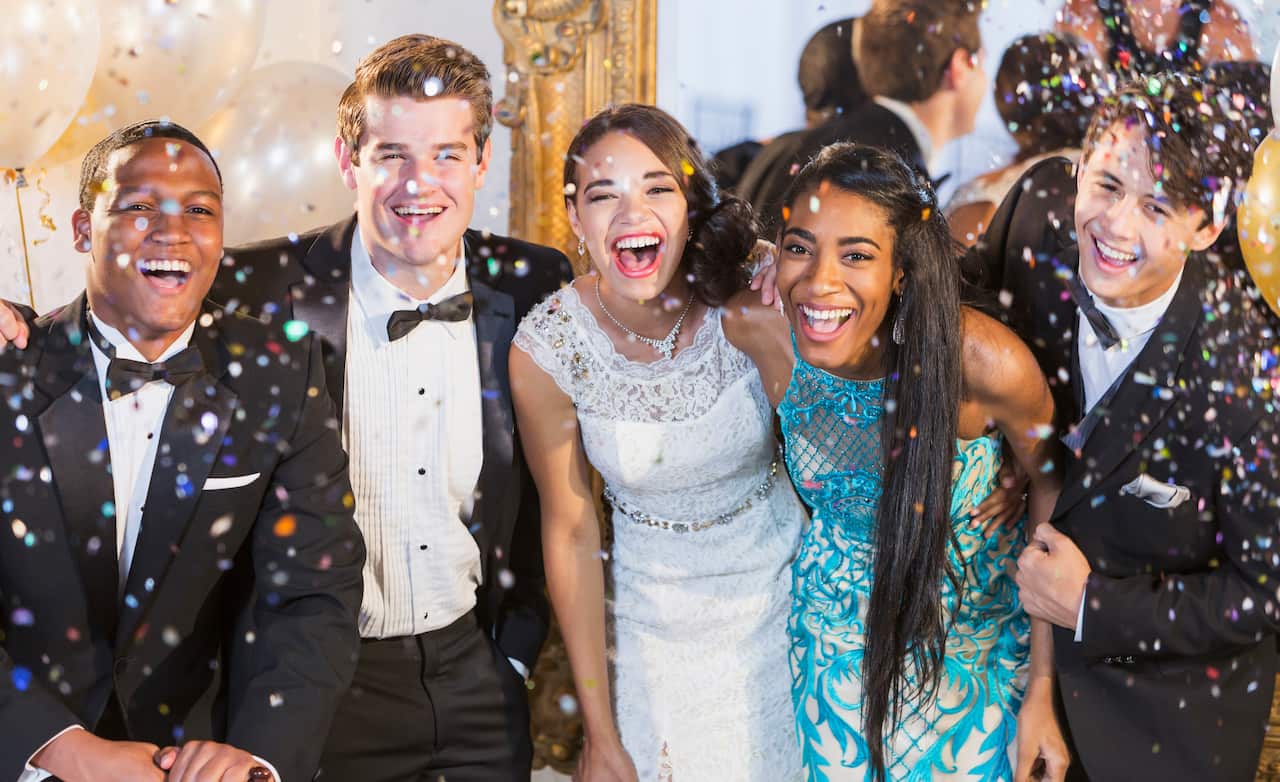
A semi-formal dress code is considered more reserved and classic, while a cocktail dress code can be more festive. Source: Getty / kali9/Getty Images
Cocktail and semi-formal
Accessories such as jewellery, a tie or a pocket square can elevate your outfit.
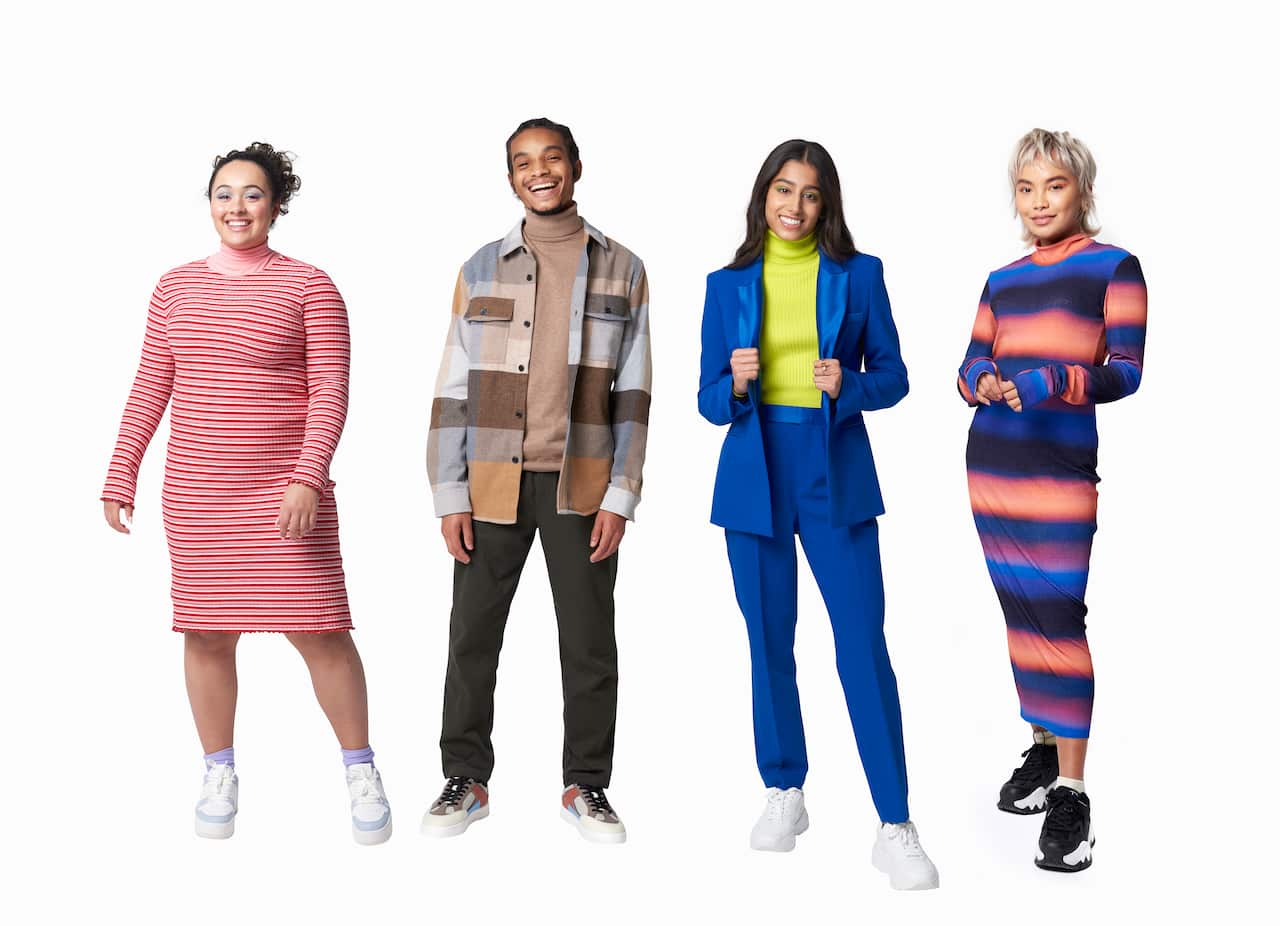
Smart casual is a popular choice for work events and birthday parties. Credit: We Are/Getty Images
Smart casual
“Typically men in Australia would wear chinos or really smart jeans with no rips, some sort of button-down shirt, a sports jacket, loafers or driving shoes. And for women, they might wear a coordinated set, so a matching top and pants, for example. They could wear jeans that are a dark denim, a nice dress, skirt, boots. You don’t necessarily need to wear heels.”
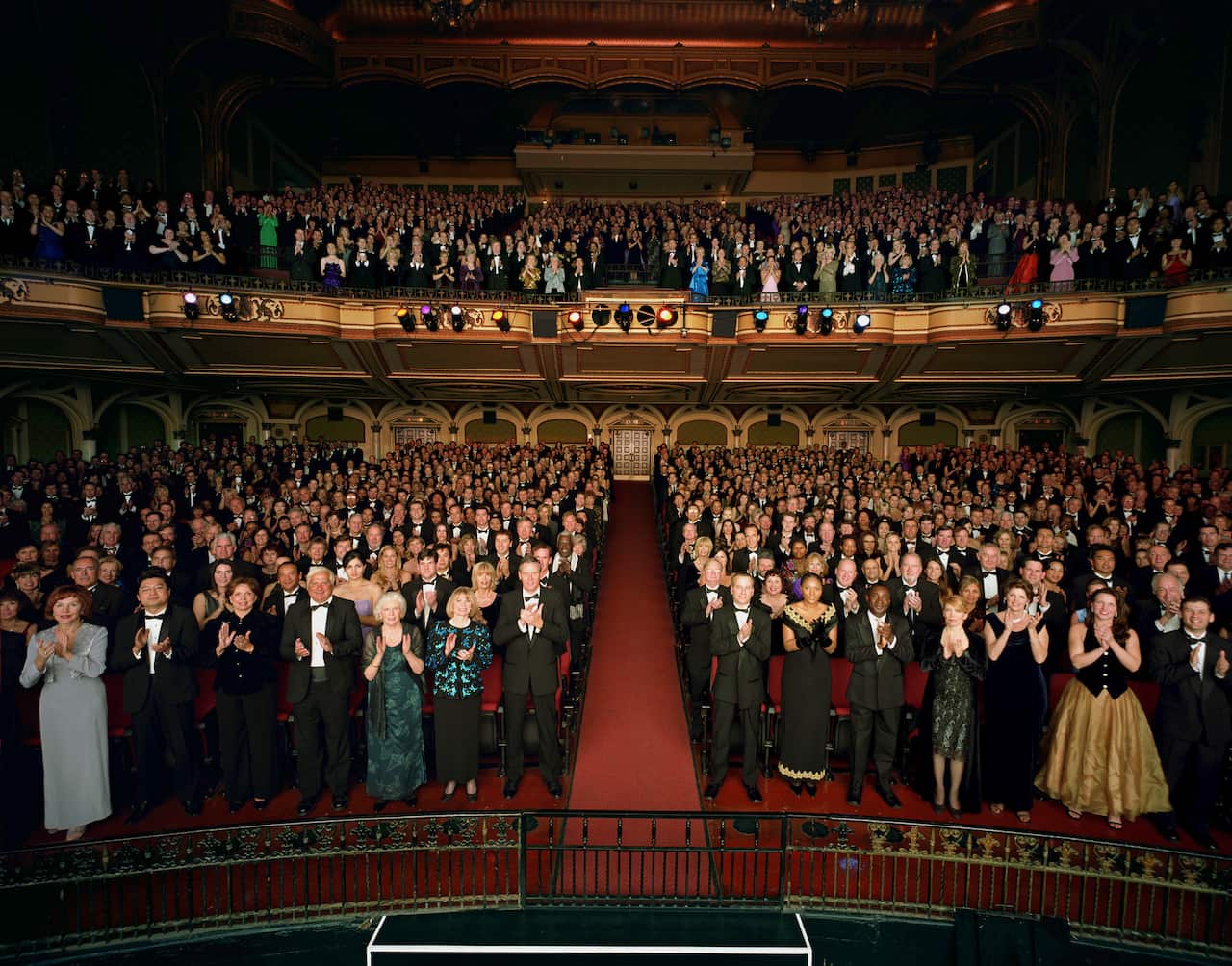
Black tie is an elegant dress code popular at weddings, award ceremonies, and charity galas. Source: Getty / Mike Powell/Getty Images
Casual
Mr Ton likes to follow one simple rule for casual, or his personal favourite, semi-casual dressing: The less formal an event, the more contrast we can introduce.
You would wear an ‘odd suit’, we call it: sports jacket, trouser, something that doesn’t match in fabric.
Joshua Ton
“So I’d always wear something contrasting. If it’s dark at the top, wear something light or vice versa, and it gives you that nice casual, nearly formal look. And with sports jackets and trousers you don’t need to wear a tie.”
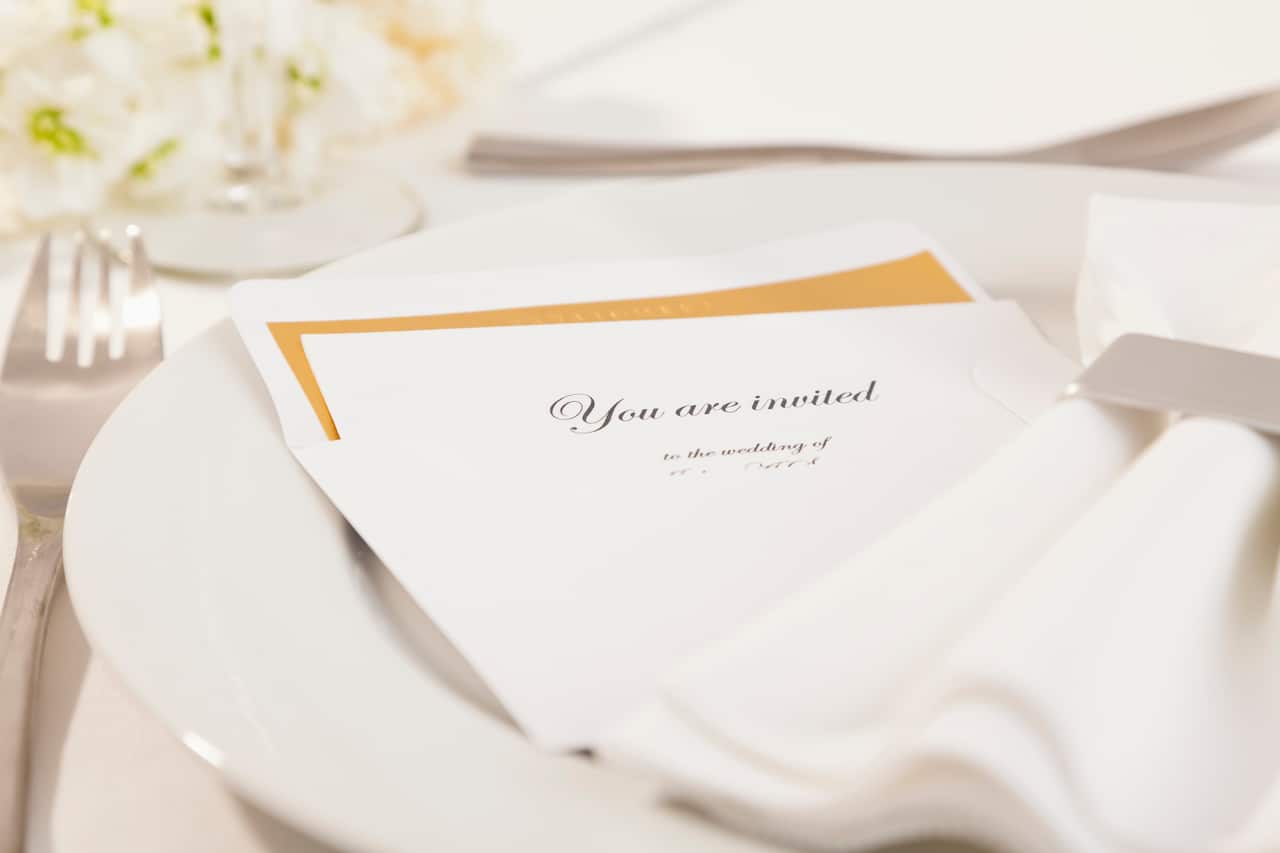
Bridging the gap between formal and casual, ‘cocktail’ and ‘semi-formal’ are popular dress codes for weddings, cocktail and engagement parties and milestone birthdays. Source: Getty / Vstock LLC/Getty Images/VStock RF
Expressing culture through your outfit
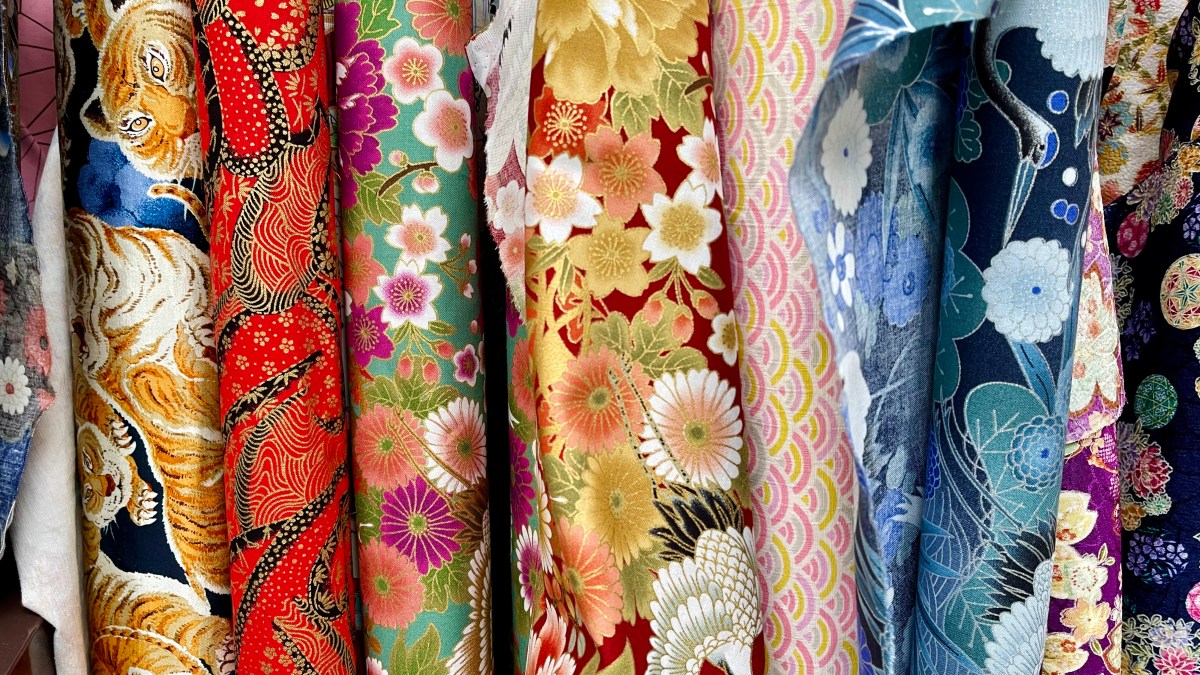
“And I would do it through details. It could be accessories. I would put a really beautiful necklace which has some sense of heirloom connected to it. I would wear a pattern or a fabric but in a silhouette which is acceptable… or a textile would be a sort of hand loomed silk, for example.”
What if you can’t meet the dress code?
“So really if you don’t understand it, just wear what you can, wear what you think is appropriate because you’d rather turn up and respect the event or the person,” Mr Ton says. “I think it’s more important.”
Do you have any questions or topic ideas? Send us an email to [email protected]
link